


Mattress Buyer's Guide
Before you spend thousands on a mattress, read this. It'll take 10 minutes and save you from the most common mistakes.

.png)



One thing matter most
Start with your body weight
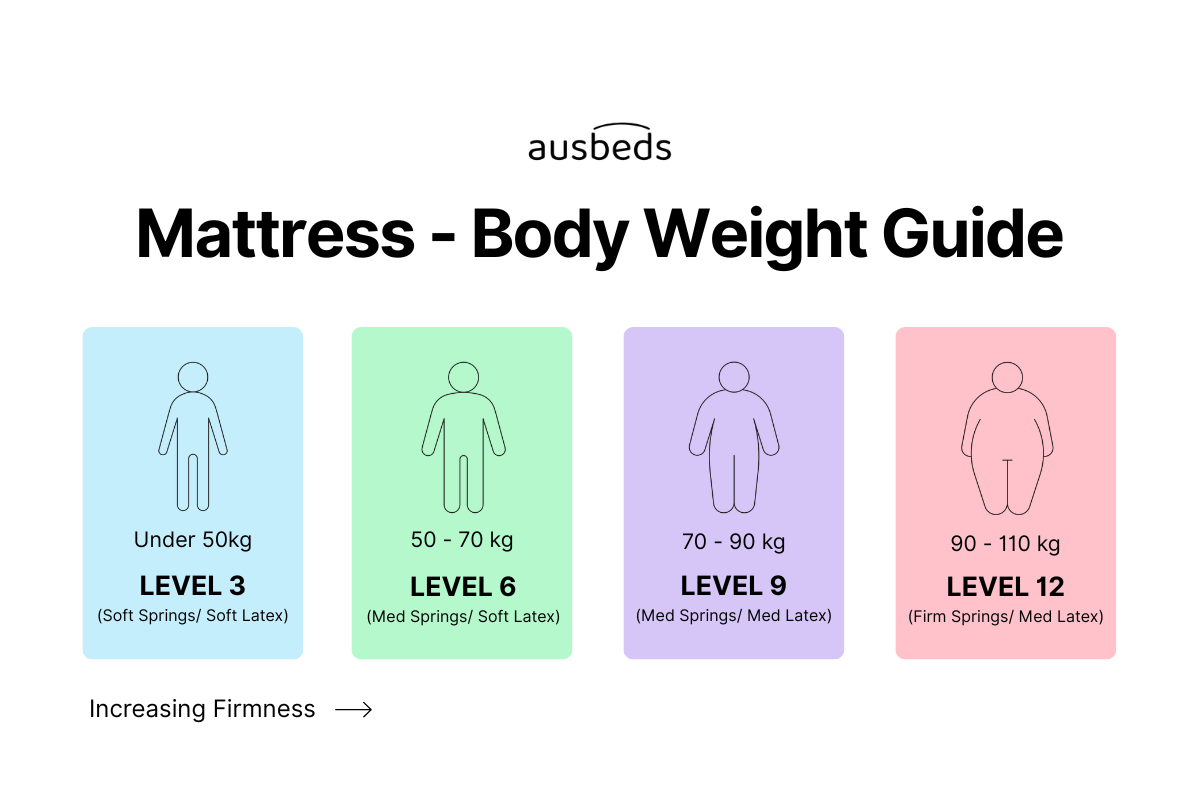
Forget firmness labels. Forget sleep position quizzes. The single most important factor in choosing a mattress is matching the spring tension to your body weight.
A 60kg person needs softer springs. A 110kg person needs firmer springs. Get this right, and the mattress supports your spine properly, your pressure points are relieved, and you sleep well. Get it wrong, and no amount of premium materials on top will fix it.
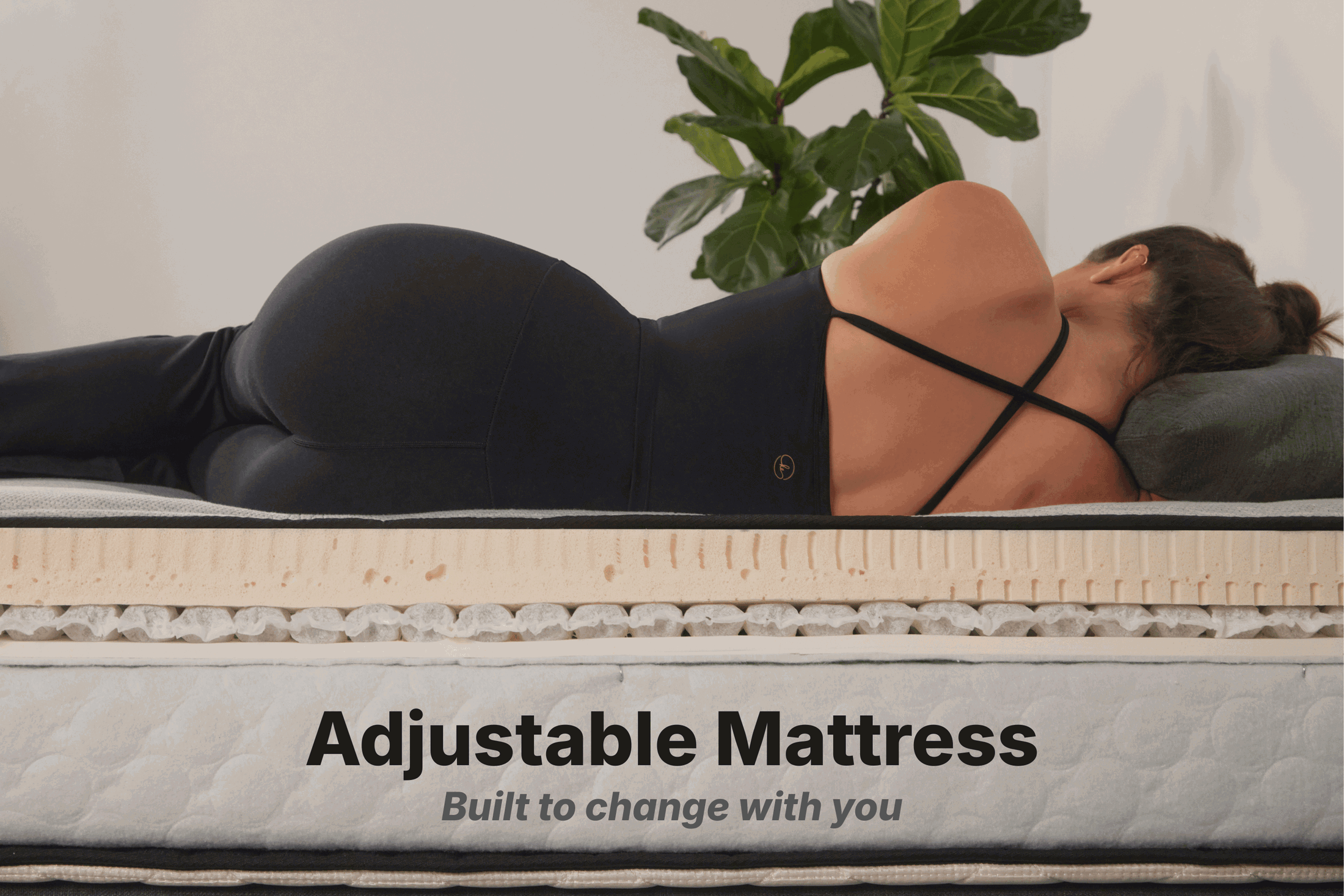
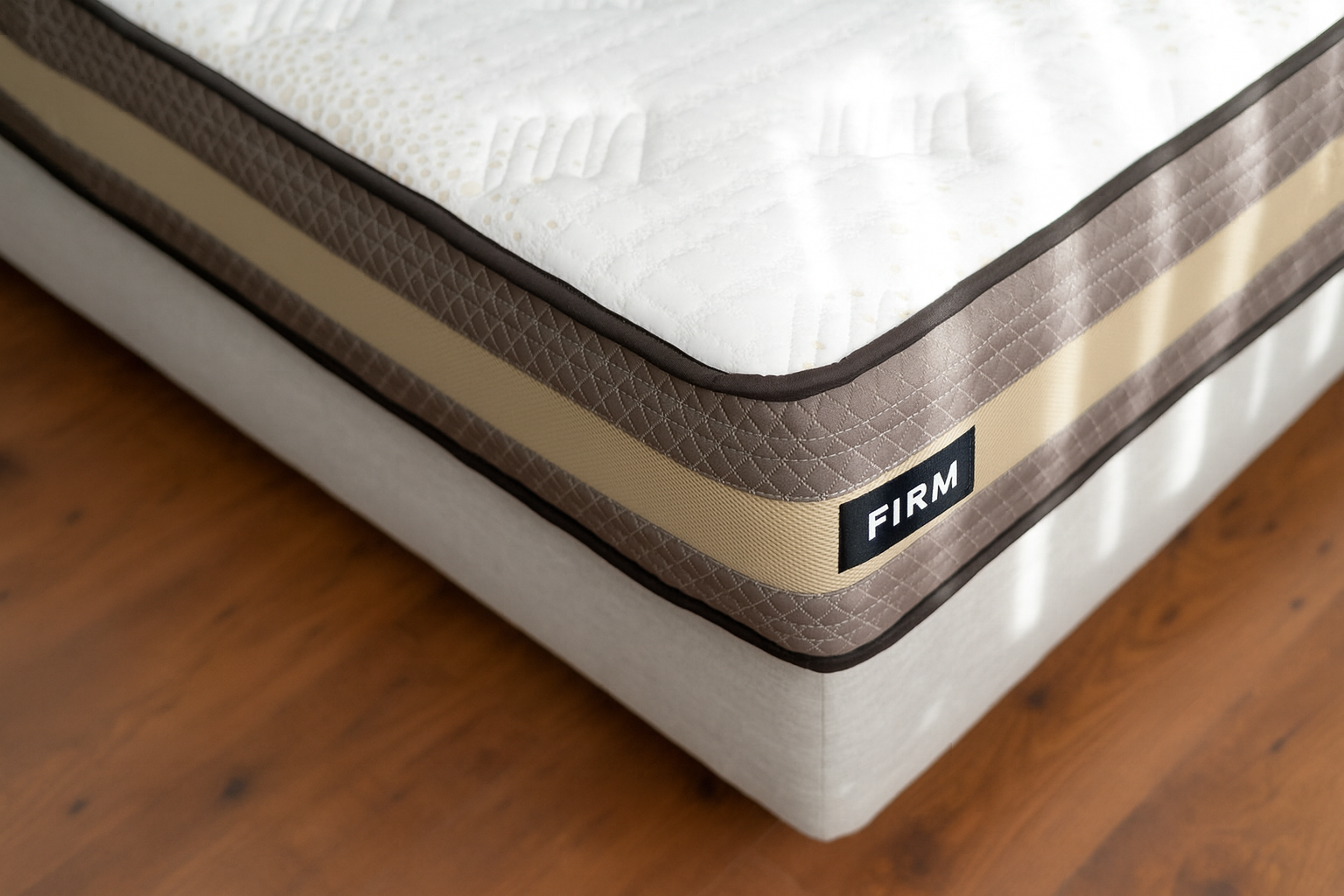
Most brands offer three firmness options: soft, medium, and firm. Three options for every body type on the planet. We use a 16-level firmness system matched to five weight ranges, each with three at-home adjustable levels. It's more work for us to manufacture, but it means the mattress actually fits you.
Here's the short version:
- Under 50kg - Level 3 (Softer)
- 50-80kg - Level 6 (Medium)
- 80-100kg - Level 9 (Firmer)
- 100-120kg - Level 12 (Very Firm)
- Over 120kg - Level 15 (Super Firm)
On the edge between two ranges? Go firmer. It's easier to soften a mattress than to add support. Our 7-month trial gives you time and 2 free component swaps to dial it in.
What's inside
Materials: what to look for and what to avoid
A mattress is its materials. The cover, the brand name, the marketing - none of that matters when the lights go off. What matters is the support system and the comfort layer.
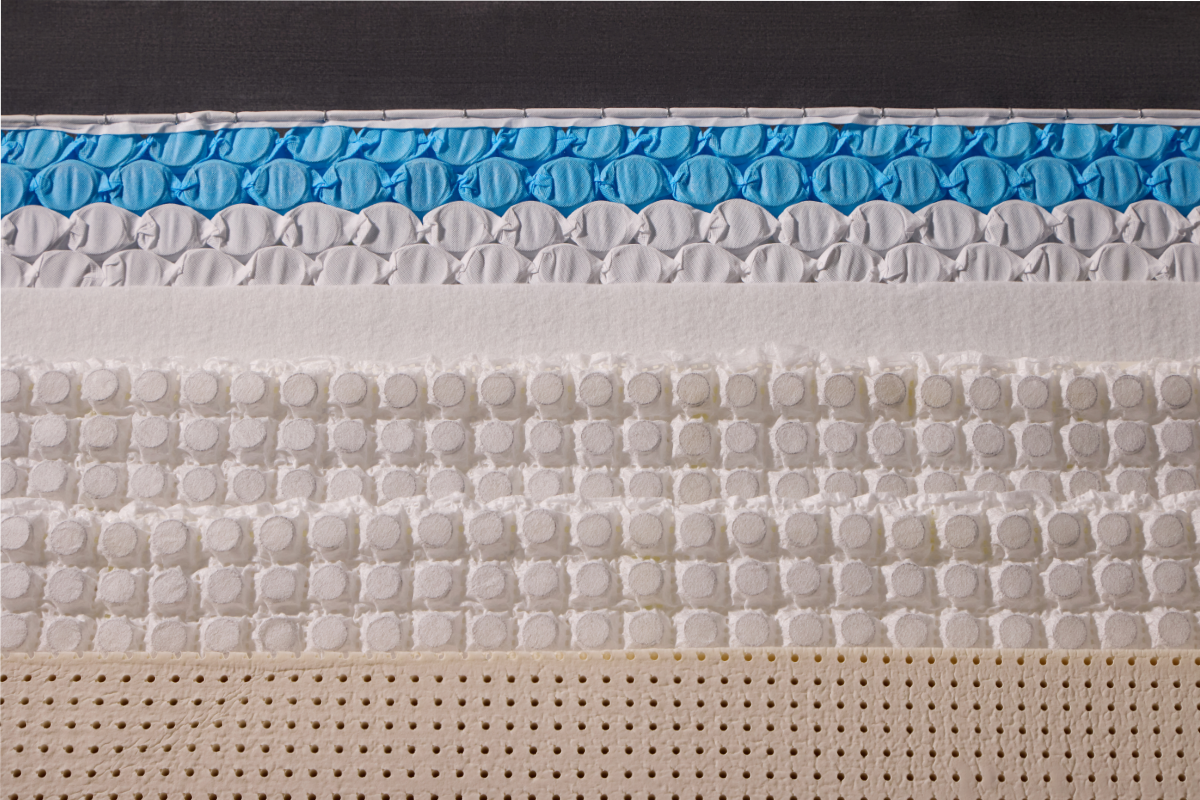
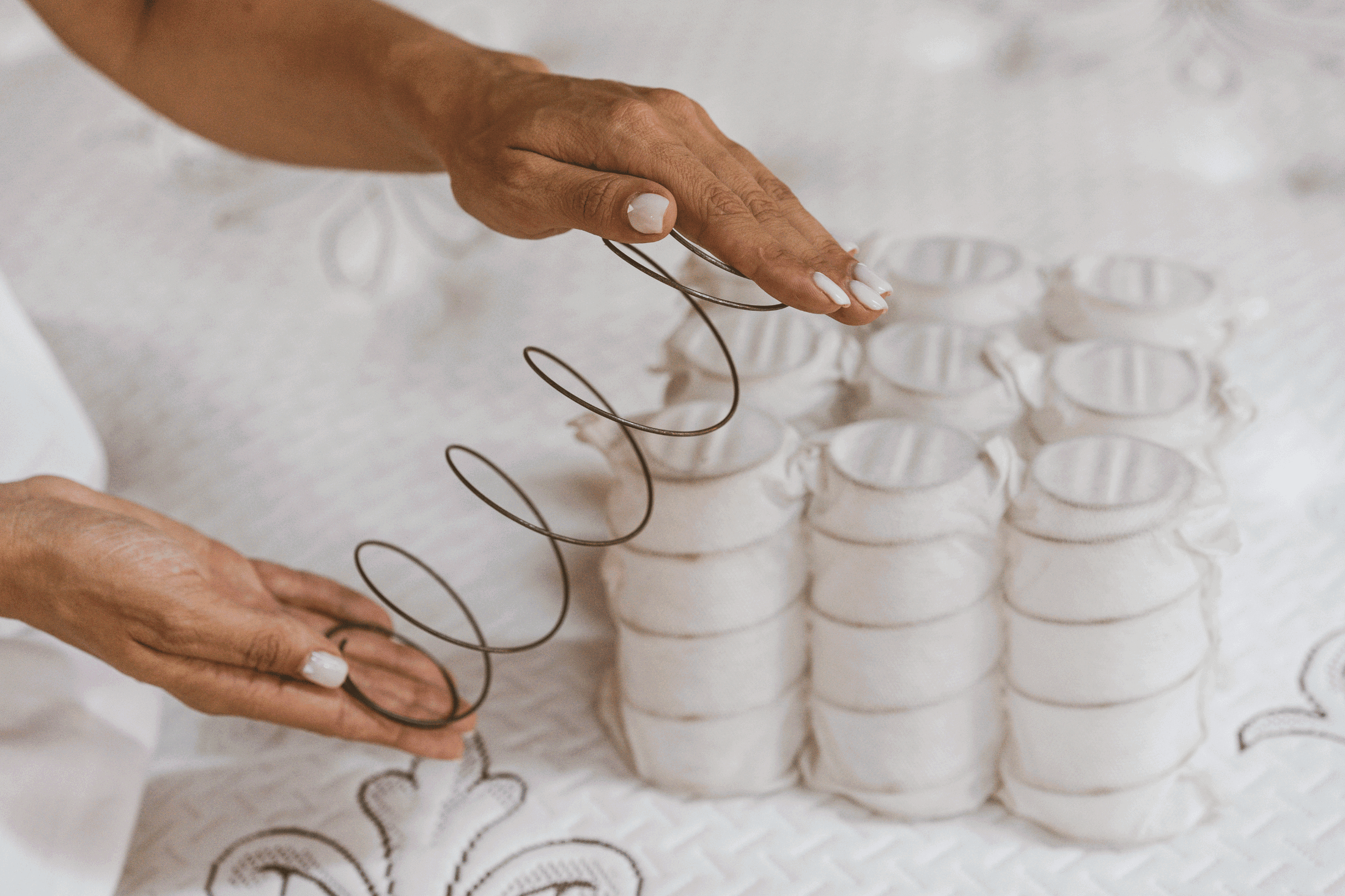
Support system. This is either springs or foam. We use honeycomb pocket springs - individually wrapped coils arranged to fit 30% more springs than a standard straight-row layout. Each spring moves independently, so your body contours without the whole bed caving in. The alternative is solid foam, which compresses over time and tends to trap heat.
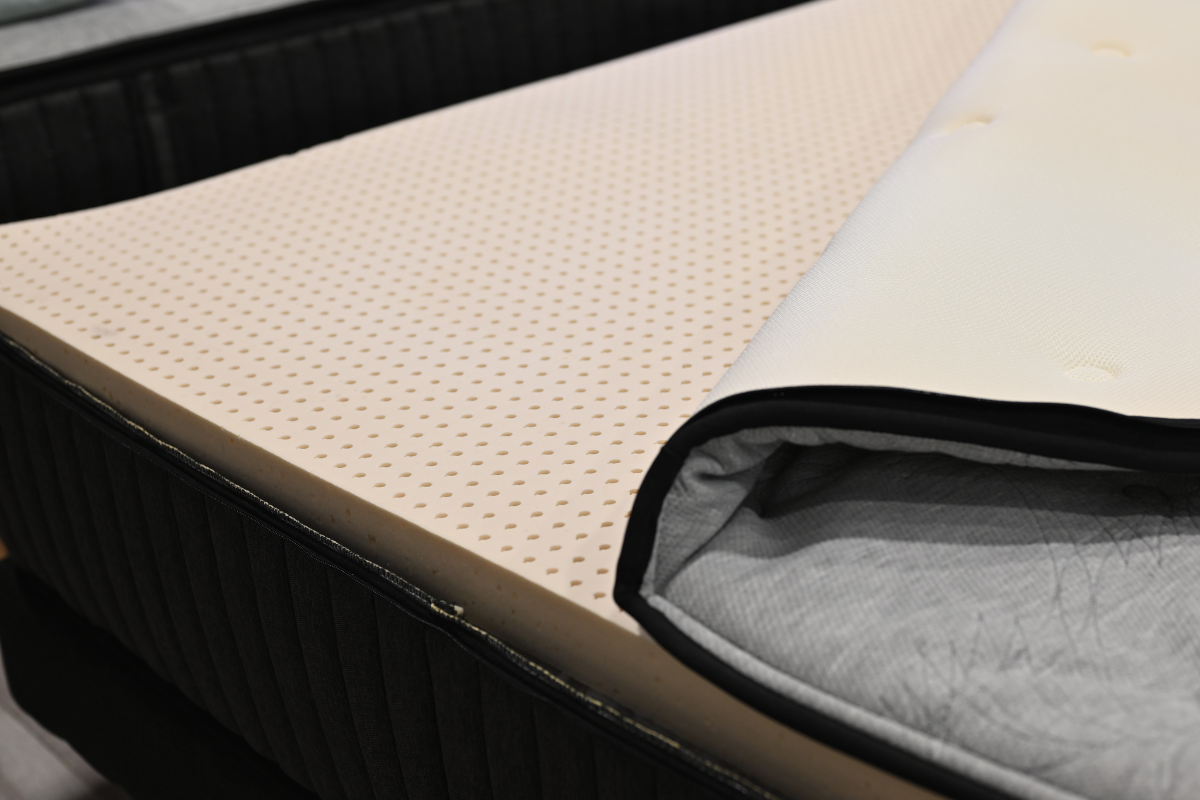
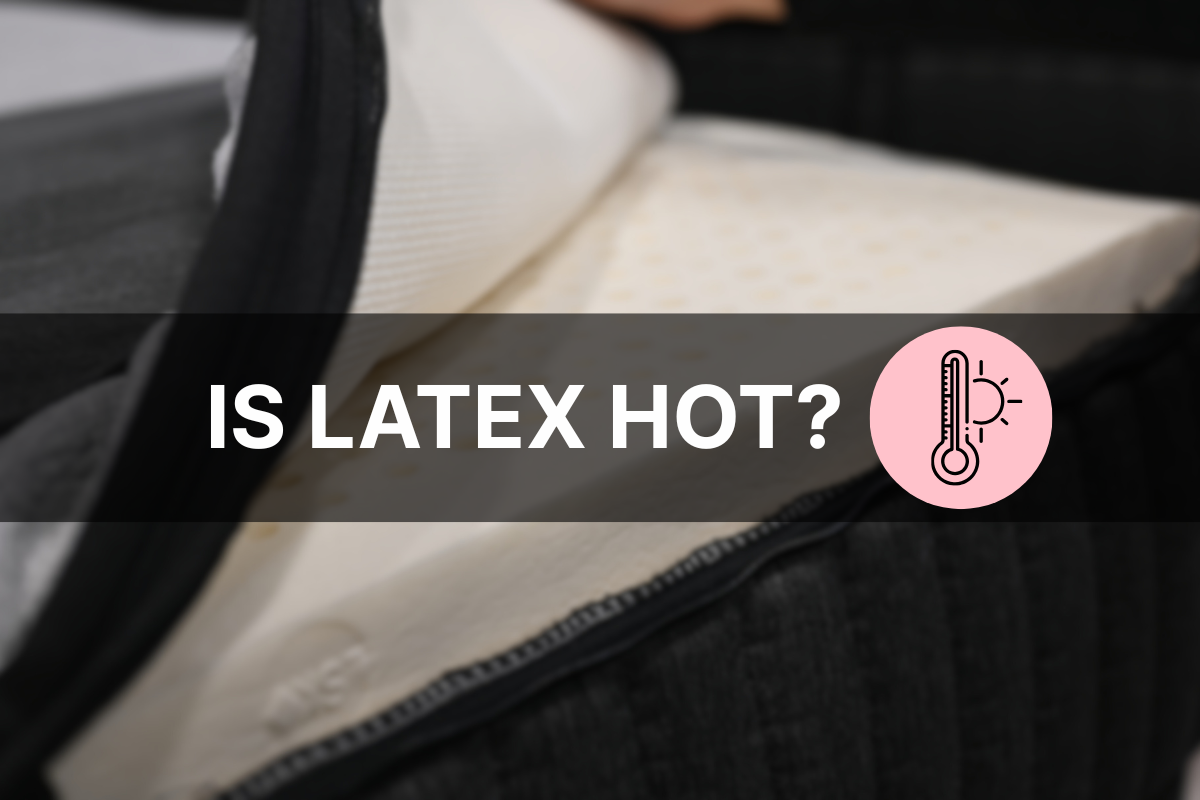
Comfort layer. This sits on top of the springs and is what you actually feel. We use natural Dunlop latex - 5cm across all three models. Latex is responsive, breathable, and lasts 3-4x longer than foam. Memory foam moulds slowly around you and holds you in place, which sounds appealing but makes it harder to move at night and traps body heat.
What to be cautious of. Mattresses built entirely from stacked foam (most bed-in-a-box brands) rely on foam density for support rather than a proper spring system. They tend to sleep hot, develop body impressions within a few years, and can't be adjusted once you've bought them. If you're looking at a foam mattress, check how thick the foam layers are. More foam means more heat retention.
For a deeper dive on materials, read our materials and construction guide.
Three questions
How to narrow down your options
Once you know your weight-based firmness, you only need to answer three questions:
1. How much cushioning do you want? This is what separates our three models. The Cooper has no microsprings - it's the most direct feel, sleeping "on" the mattress rather than "in" it. The Aurora adds one microspring layer (1,600 on a queen) for balanced cushioning. The Cloud adds two layers (3,200 on a queen) for maximum pressure relief. Not sure? Our sleep style guide helps you narrow down based on how you sleep.
2. What size do you need? We make all standard Australian sizes: single, king single, double, queen, and king. Queen is the most popular size in Australia. If you're a couple debating between queen and king, the king gives you an extra 30cm of width. Check our size guide for exact dimensions.
3. What's underneath? Your bed base matters more than most people realise. Flexible slats are the most common cause of mattress problems - they sag under your weight and create dips that get blamed on the mattress. If your slats bend when you press them, that's likely your issue. We sell a solid pine bed base with rigid slats, but our mattresses also work on any flat, firm surface, including adjustable bases.
What to expect
The first few weeks with a new mattress
A new mattress doesn't always feel perfect on night one. Your body has adapted to your old mattress - even if it was terrible - and it takes time to adjust. Most of our customers settle in within two to four weeks.
If it feels too firm in the first few days, that's normal. Give it at least two weeks before adjusting. If it still feels wrong after that, you can adjust the firmness at home by repositioning internal layers - it takes a few minutes, and you don't need any tools.
Still not right? You get 2 free component swaps during your trial period. We come to you, assess how you're sleeping, and swap out springs or latex layers if needed. About 82% of customers stay at their original recommendation. The other 18% use one or both swaps to fine-tune - that's exactly what they're for.
Don't rush it
Why we offer a 7-month trial
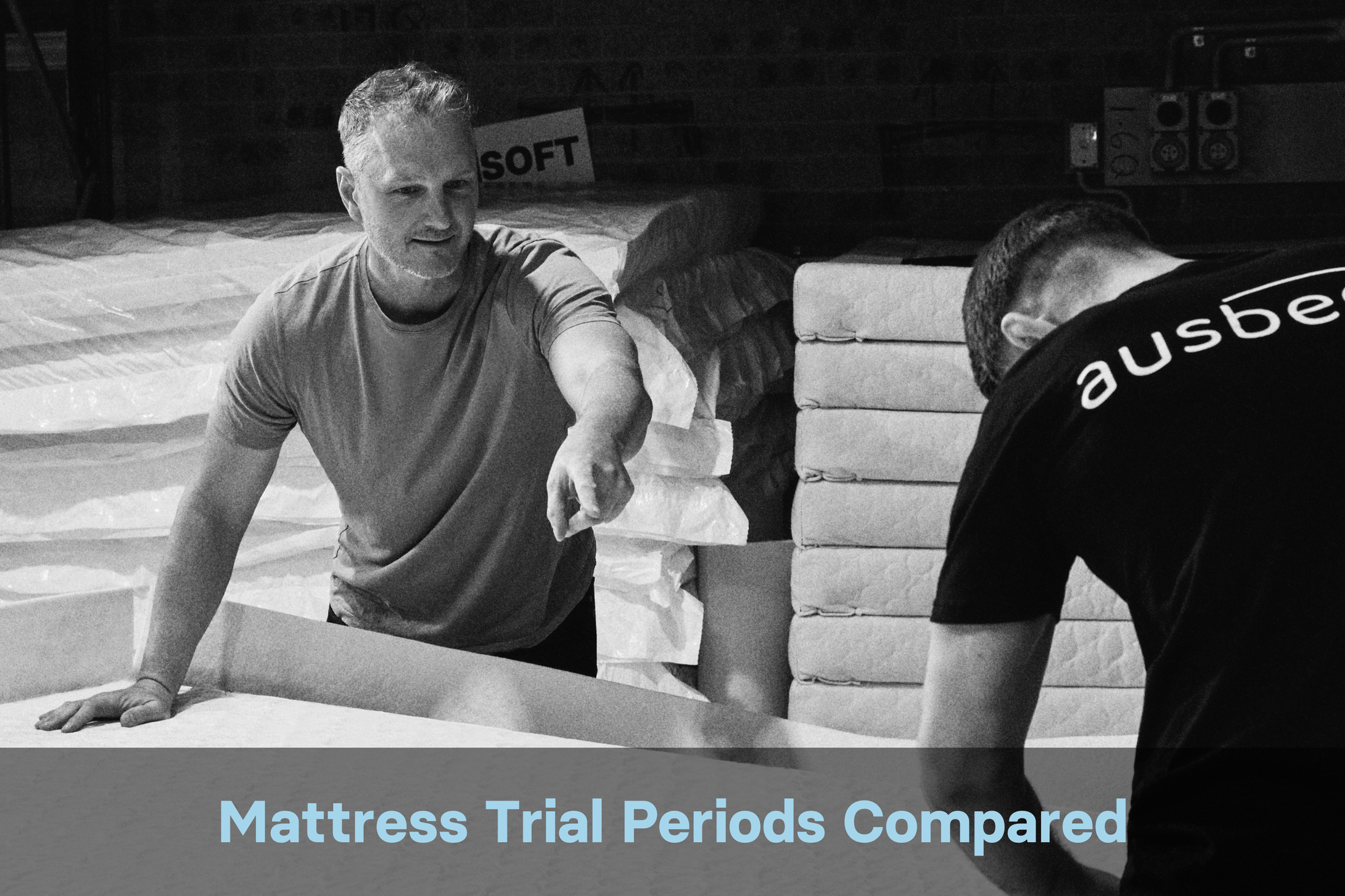
Most brands offer 100 nights. We offer 7 months. Here's why.
Your body changes with the seasons. Your sleeping habits shift. Stress, weight changes, and injuries - all of these affect how a mattress feels over time. 100 nights isn't always enough to know if a mattress truly works for you. Seven months covers enough variation in your life to give you real confidence.
During the trial, you also get a 10-year warranty and free adjustments. If something genuinely doesn't work, we take the mattress back. But our return rate is low because the fitting process catches most issues before delivery, and the modular design lets us fix problems without replacing the whole mattress.
Try before you buy
Visit us or get in touch
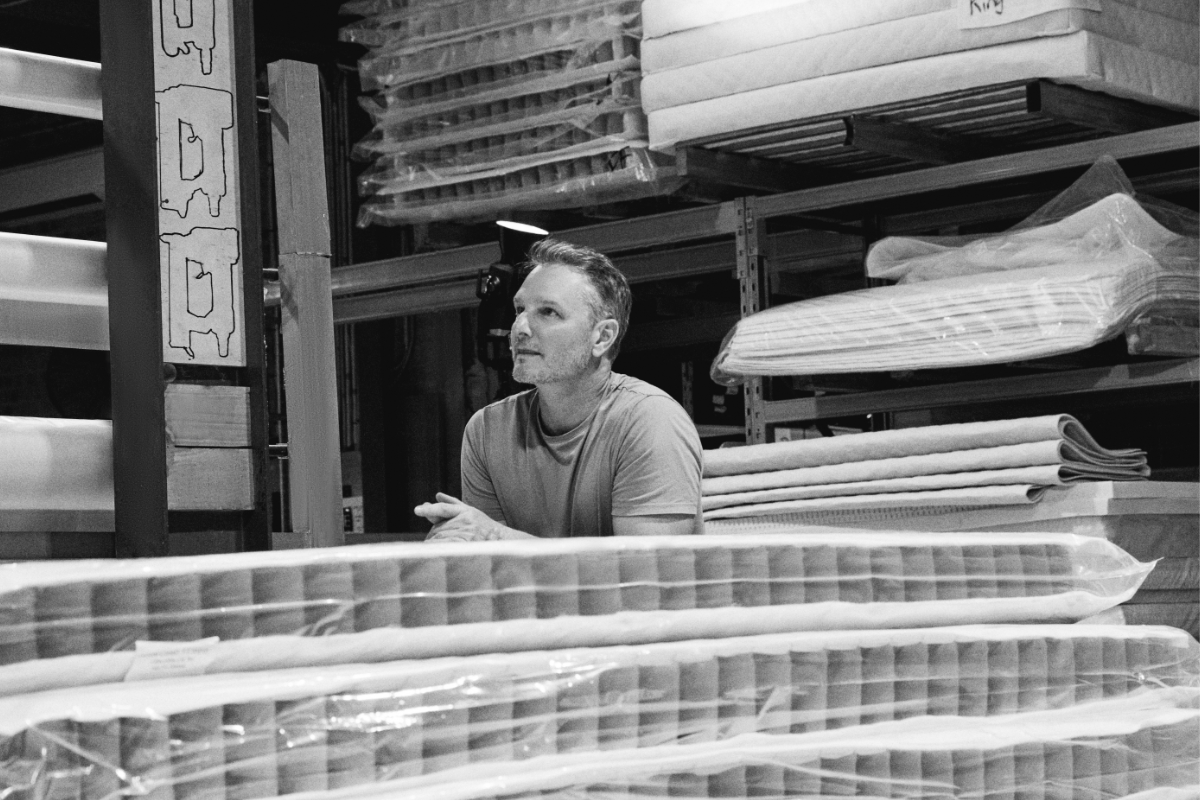
If you're in Sydney, come to our Marrickville workshop at 136 Victoria Road. You can walk through the factory, see the materials, and try all three models at different firmness levels. Karl or the team will match your body weight to the right springs - no sales pressure, no rush.
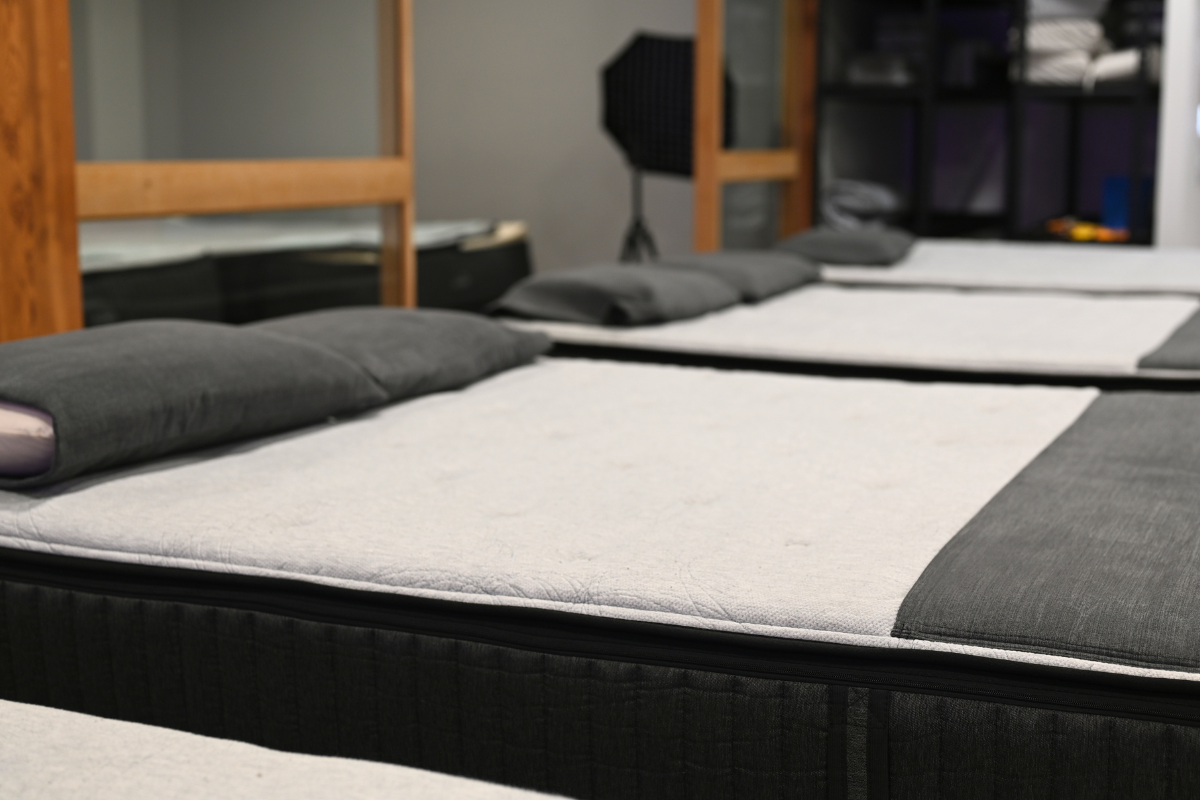
Prefer to browse alone? Our Willoughby staffless showroom at 94 Penshurst Street is open every day 6am-8pm. No staff, no appointment. Just push the door and try the mattresses at your own pace.
Not in Sydney? Call us on (02) 8999 3333 or WhatsApp +61 403 963 862. Tell us your weight and any preferences, and we'll give you a specific recommendation. We deliver to Sydney, Melbourne, Brisbane, and Canberra - full-size to your bedroom, never compressed.