Mattress Materials & Construction
What's inside your mattress matters more than the brand on the label. Springs, latex, foam – here's what each material does, and what we use and why.


The foundation
Springs: where the support comes from
Every mattress needs something to hold you up. That something is either springs or foam. We use springs.
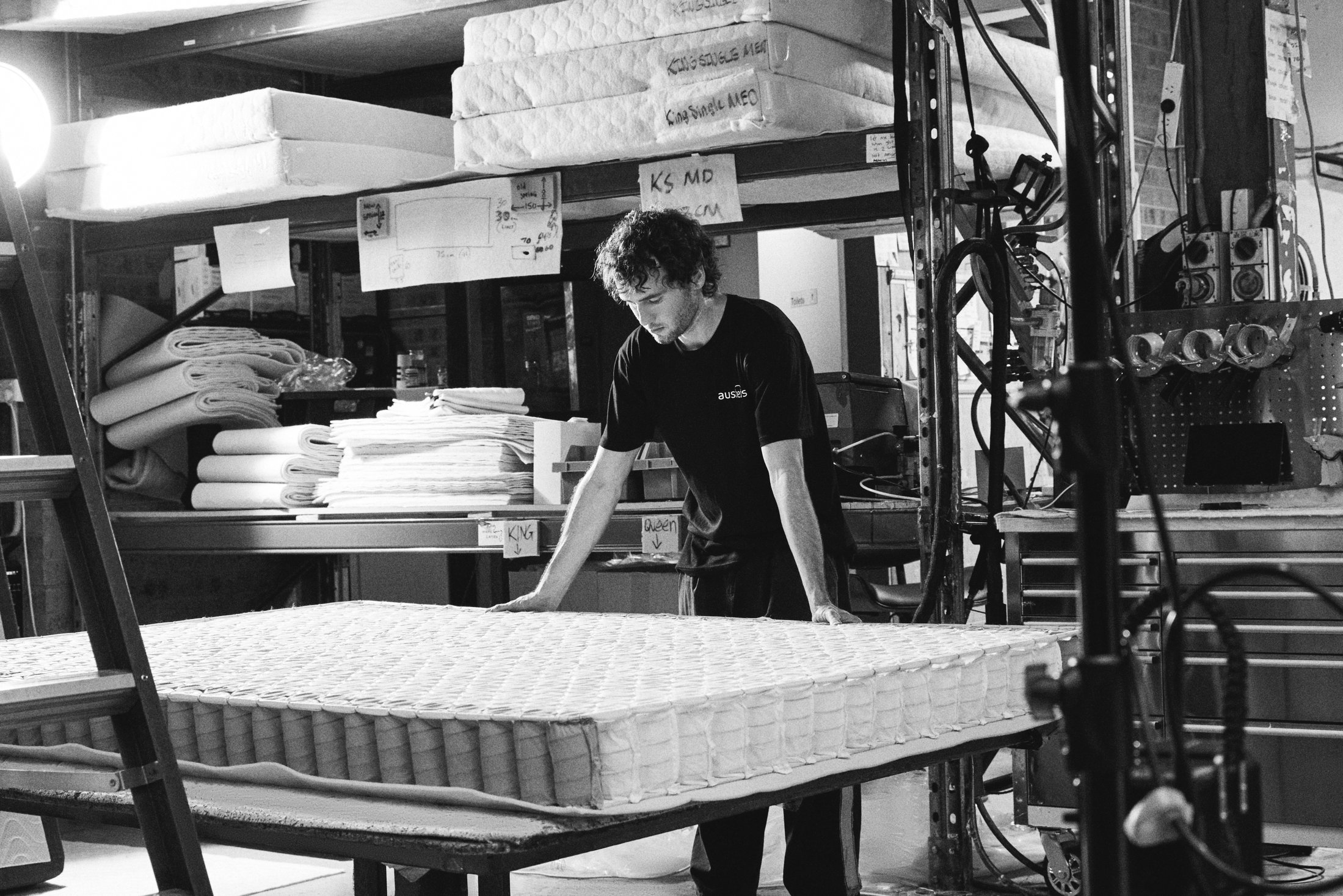
Pocket springs are individually wrapped coils that move independently. When your hip pushes down, the springs underneath compress while the ones beside them stay put. That's what gives you contouring without the whole bed caving in. Bonnell Springs, by contrast, are all wired together. Push one down, and the ones around it follow. That's the "rolling towards each other" feeling couples complain about.
We arrange our springs in a honeycomb pattern rather than straight rows. This fits 30% more springs into the same space - 986 in a queen, where most brands give you 768. More springs means more elasticity and better contouring around your body. This is what the high-end European makers do (Hastens, Vispring, Savoir). We also match spring tension to your latex choice and body weight. With soft latex, firm springs start at 80kg; with medium latex, firm springs start at 100kg. Most brands skip this entirely and give everyone the same spring unit.
The comfort layer
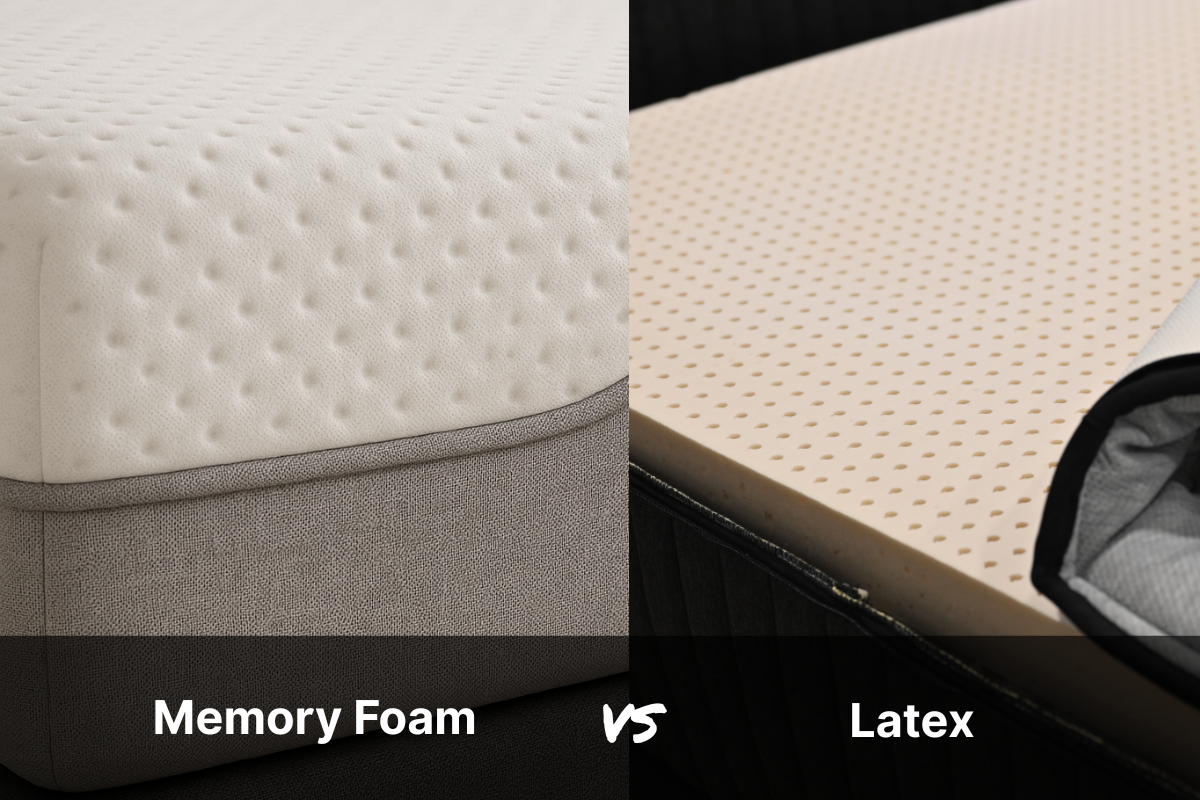
Latex vs foam: why we chose latex
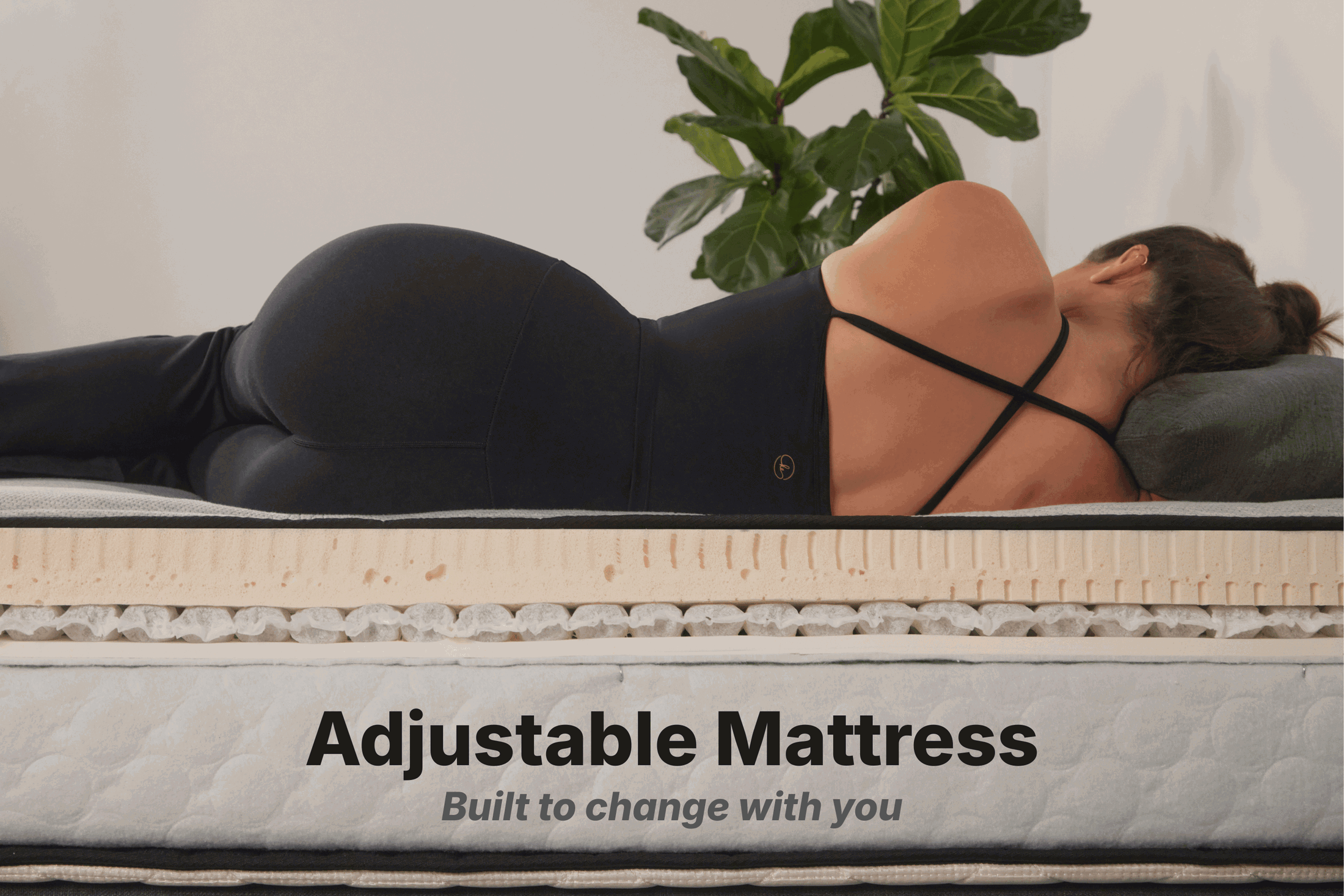
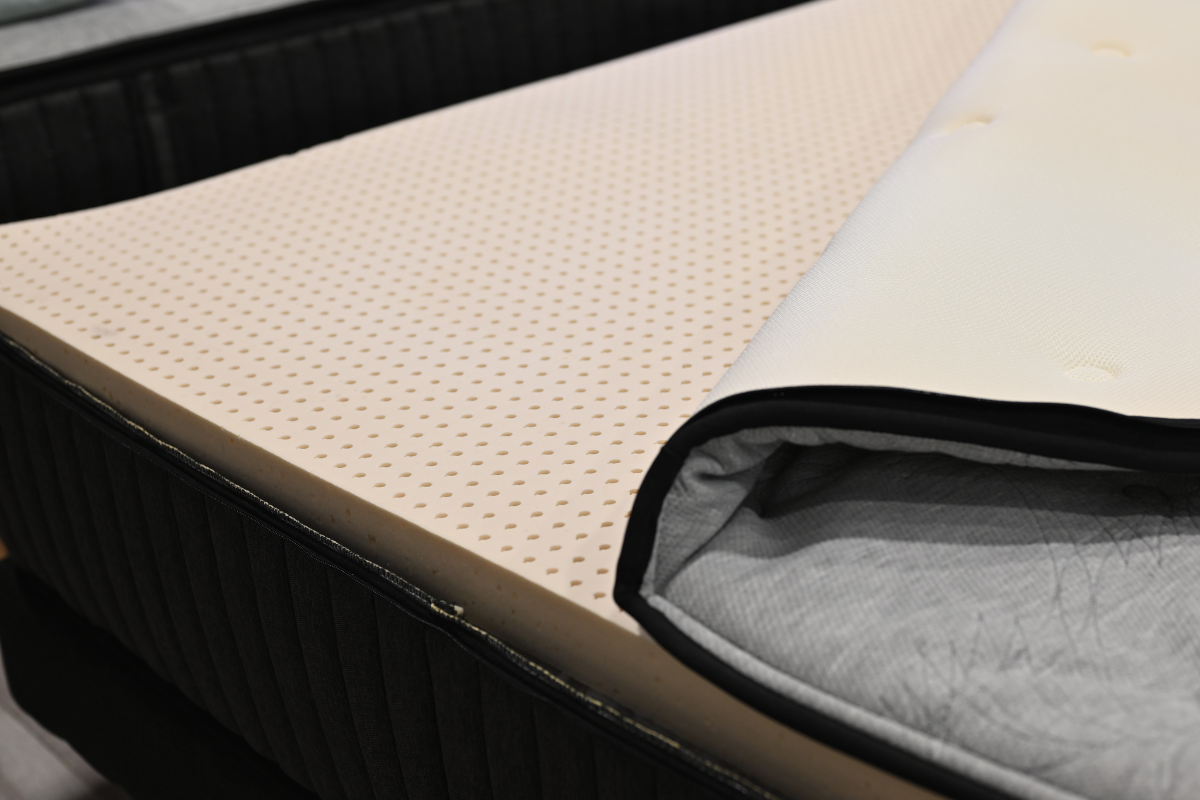
On top of the springs sits the comfort layer. This is the part you actually feel. We use 5cm of GOLS-certified natural Dunlop latex in both the Aurora and Cloud.
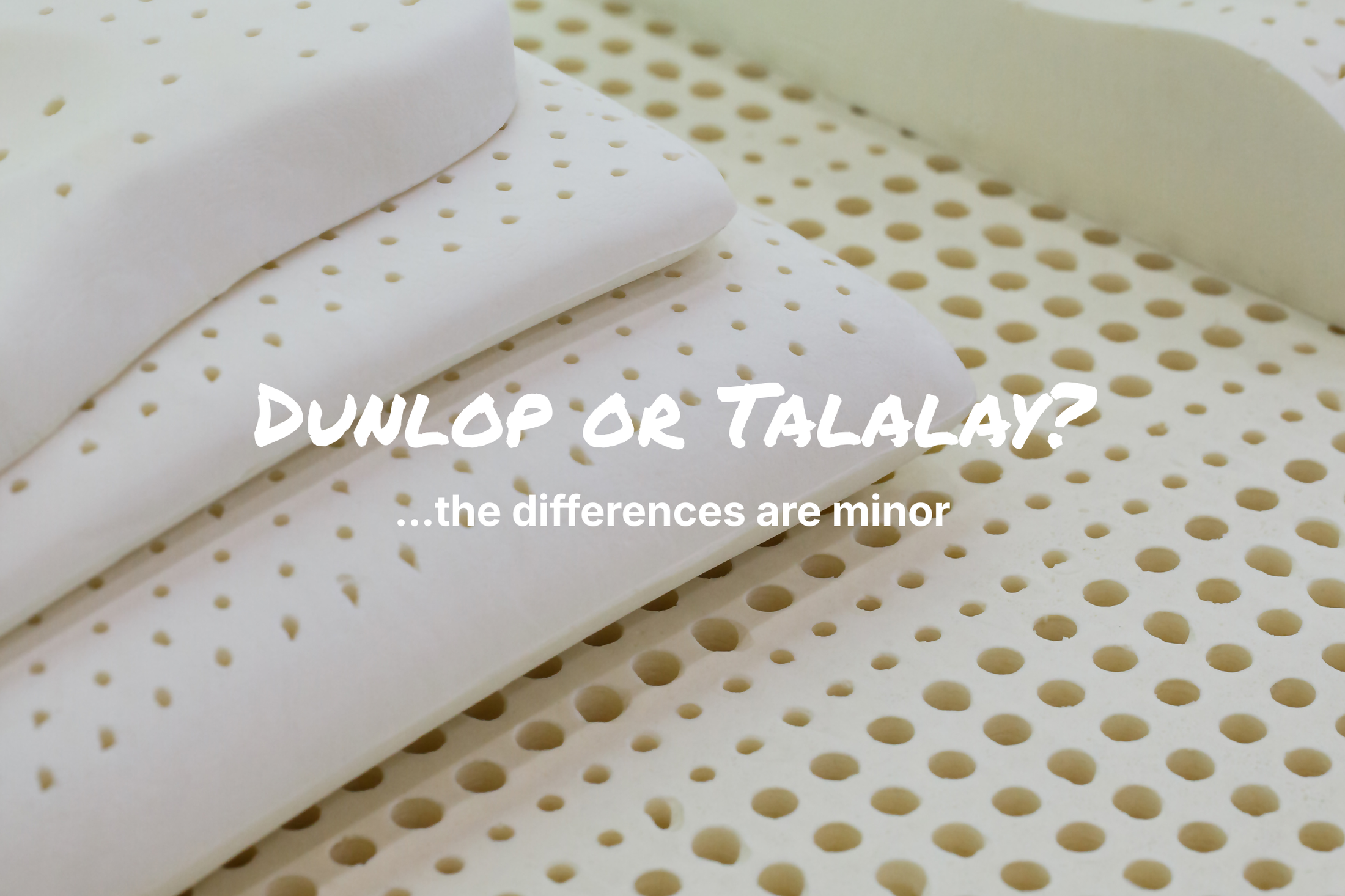
Natural latex is tapped from the rubber tree. That liquid is whipped into a froth, poured into a mould, and baked in a vulcanisation oven until it sets solid. We use the Dunlop process, which produces a dense, supportive latex that holds its shape for decades. It's responsive and bouncy - it pushes back when you move, so changing position at night is easy. It breathes well because of its open-cell structure. And it lasts 3-4x longer than foam before it starts to lose its shape.
Memory foam does the opposite. It responds to heat and pressure, which means it moulds slowly around you and holds you in place. That "hugging" sensation sounds appealing, but it makes it harder to move at night and traps heat against your body. Over time, foam compresses permanently in the spots where your heaviest points rest - usually your hips. That's why foam mattresses develop dips after a couple of years.
We tried foam early on. We moved to latex because customers kept coming back with the same complaints: heat, dipping, and difficulty moving. Latex solved all three.
We only use 5cm of latex on top of the springs. That's intentional. More foam (or latex) means more heat retention. Our pocket spring system does the heavy lifting on support, so we don't need 25-30cm of stacked foam like some all-latex mattresses.
The cushioning layer
Micro springs: what separates our models
The difference between the Aurora and Cloud is the number of micro spring layers.
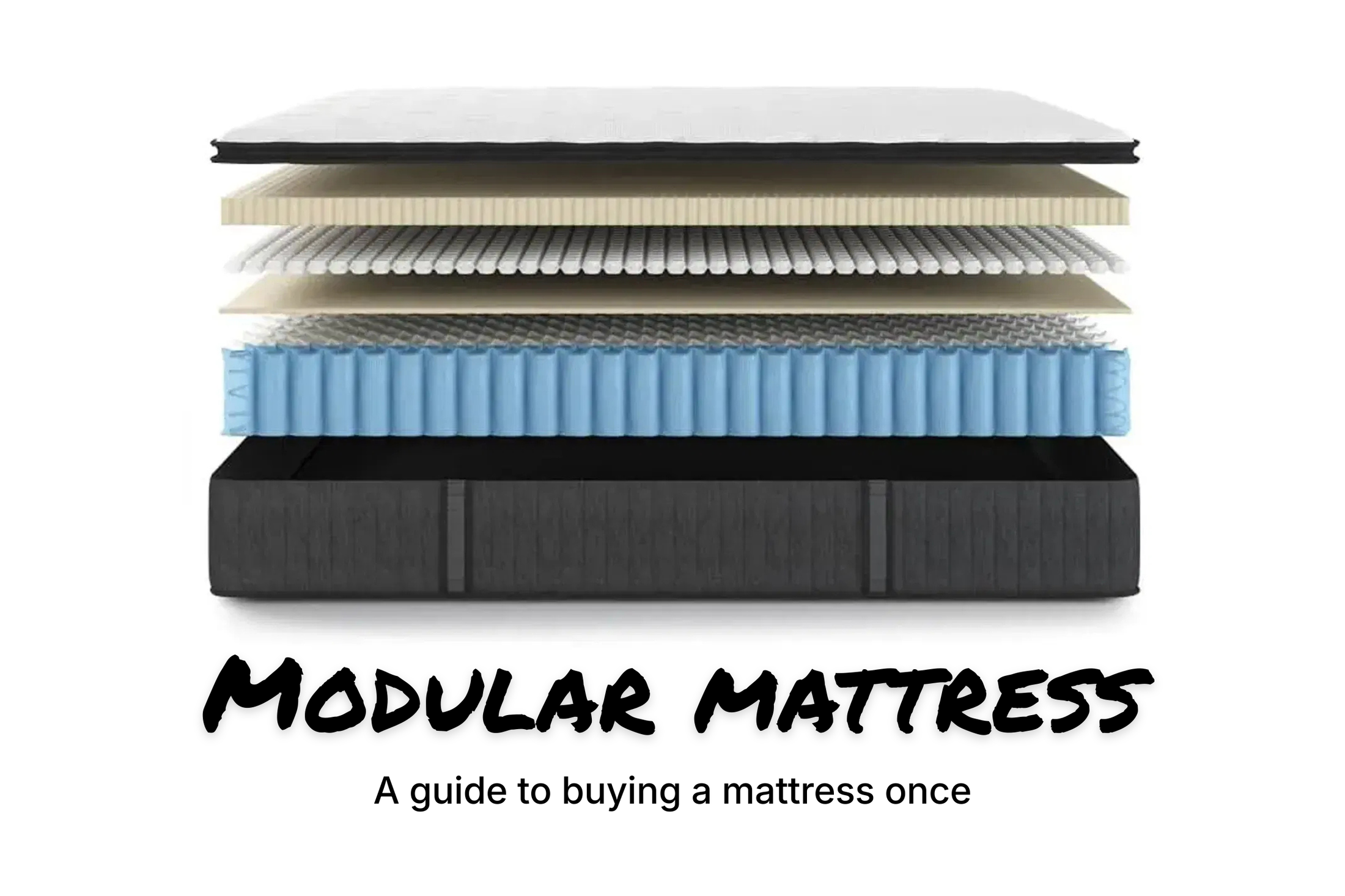
Micro springs are a second layer of smaller, individually pocketed springs that sit between the latex and the main pocket springs. They add cushioning and pressure relief, particularly around the shoulders and hips. The latex moulds to the micro springs. The micro springs mould to the pocket springs. The result is a surface that contours closely without the heat and durability problems of thick foam layers.
The Aurora has one layer (1,600 on a queen) for a firmer, more direct surface. The Cloud has two layers (3,200 on a queen) for more cushioning around the shoulders and hips. You can move between the Aurora and Cloud by adding or removing a micro spring layer.
Built to be opened
Modular construction
Most mattresses are glued shut. Ours are zippered.
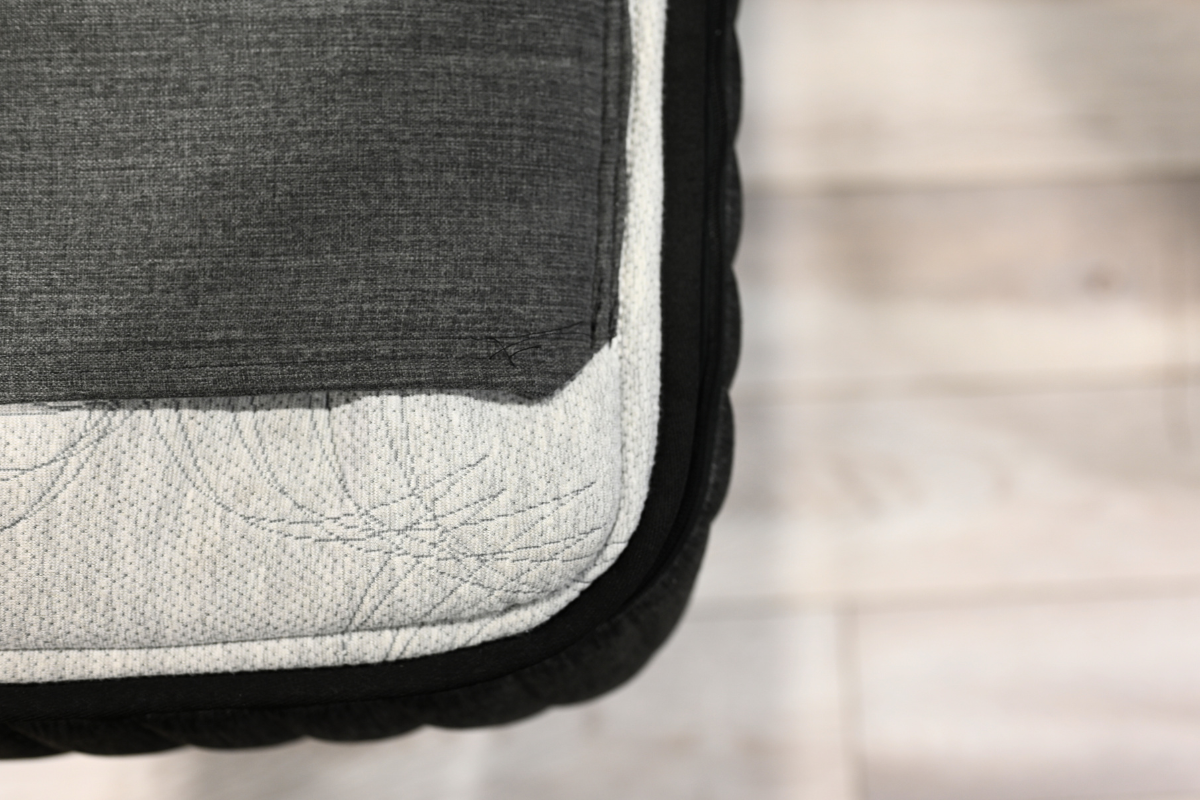
Every Ausbeds mattress has a fully removable cover with access to every internal component. You can adjust the firmness at home by repositioning layers, flipping the springs for a 10-15% firmness change, or swapping out individual components when they eventually wear. Nothing costs more than 25% of the original mattress price to replace.
This is what makes our mattresses the last bed you buy. Instead of throwing away an entire mattress because one layer has worn out, you replace that layer. The springs, the cover, the latex - they all last different lengths of time. Modular construction means each part gets replaced on its own schedule rather than forcing you to bin the whole thing.
If you want to understand how these materials feel in practice, visit our Gladesville workshop, Marrickville showroom or Willoughby staffless showroom. At Marrickville, you can try every firmness option across the Aurora and Cloud and see the internal components for yourself.