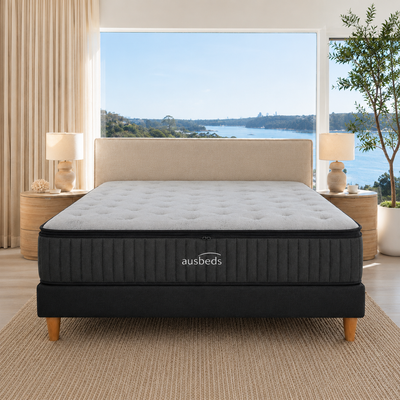
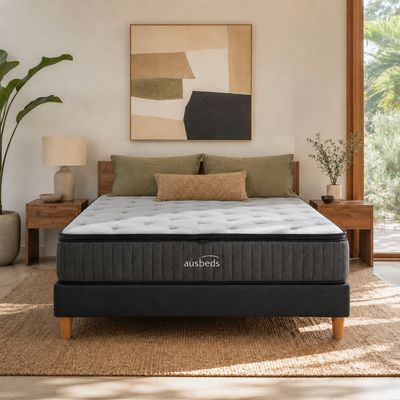
Need a mattress topper? Maybe you need a new bed
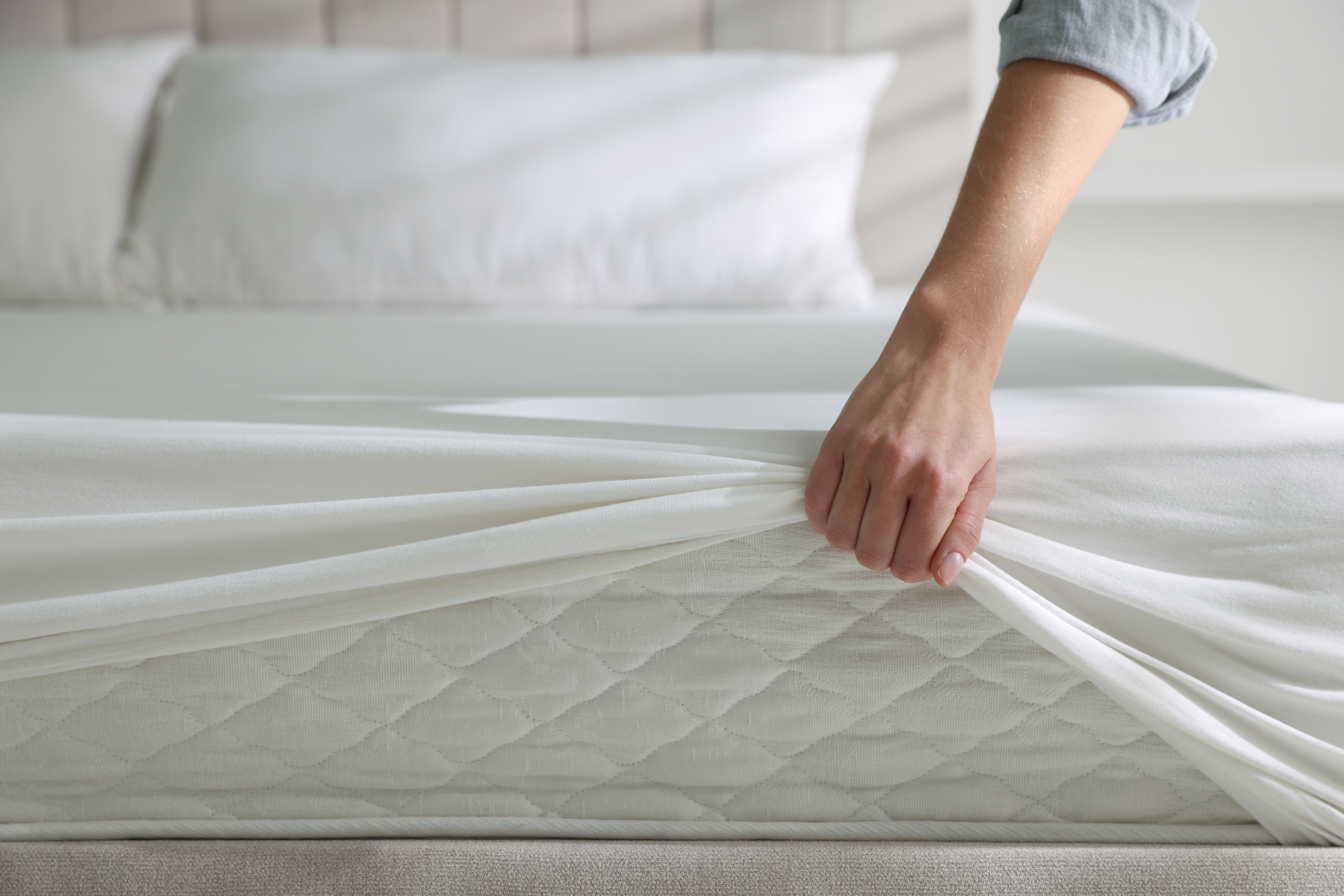
Why I stopped selling mattress toppers
I used to sell standalone toppers from my shop in Marrickville. I stopped because, without access to the customer's spring unit, I was guessing. The spring unit is where I make adjustments – that's where real support comes from.
When someone tells me their bed is too firm, the answer isn't to throw a foam mattress topper on top and hope for the best. The answer is to look at what's underneath. Is the spring tension matched to the comfort layer and body weight? Are the comfort layers – the latex, the micro springs, the foam – doing their job? Can they even be swapped out, or is the whole thing sealed shut?
Most mattresses sold in Australia are sealed. You can't open them, you can't adjust them, and when something isn't right, your only options are to live with it, buy a topper, or replace the whole thing. That's the real issue. A topper is a workaround for something that can't be fixed.
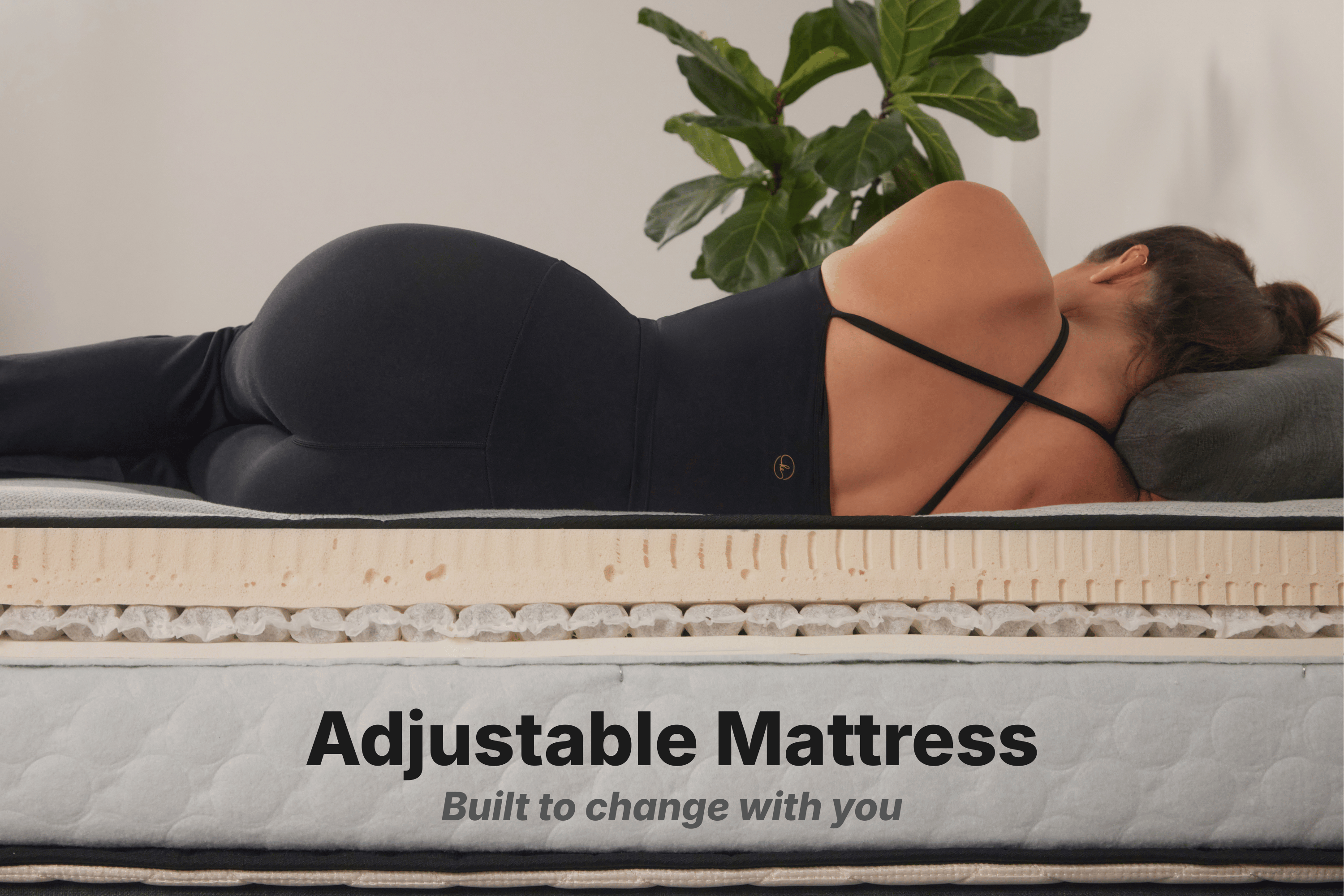
At Ausbeds, every mattress is modular. If the comfort layer isn't right, I swap it. If the springs need different firmness, I swap those, too. The mattress adapts to you – your sleeping position, your weight – permanently. Whether you need a queen for a couple, a king single for a teenager, or a double for a guest room, every size gets the same modular system. A mattress topper is a compromise.
What actually makes a good night's sleep
After 15+ years making mattresses in Australia, a good night's sleep comes down to two things:
1. Spring tension matched to the comfort layer and body weight. This is where most sleep problems start. Too soft and your body hammocks – your midsection sinks and you wake up sore. Too firm and your pressure points don't get enough cushioning, and you toss and turn all night long. It's exactly like car suspension – a 60kg person and a 100kg person need completely different spring tension to keep their spine aligned during sleep.
2. The right comfort layer on top of those springs. Latex, micro springs, or cushioning that distributes pressure across your body so you don't feel the springs underneath. This is the part a mattress topper tries to replicate – but it works properly only when it's integrated into the mattress, not sitting loose on top as an extra layer.
A mattress topper only addresses point two. And it does it poorly because it's disconnected from the support system. It slides around. It bunches up. It adds warmth. And it wears out in 3–5 years.
Why people buy a mattress topper
Most people searching for the best mattress topper are trying to solve one of three problems: their mattress is too firm, their mattress has started sagging, or they want a softer, more plush sleep surface with extra cushioning and extra comfort.
In all three cases, a topper treats the symptom, not the cause.
If your mattress is too firm, the springs underneath are likely wrong for your weight. A foam mattress topper on top doesn't change the spring tension – you still sit at the wrong height on a firm bed. If your mattress is sagging, a topper follows the sag. You're sleeping in the same dip, just with plush comfort on top. And if you want unbeatable comfort and a plush feel, that should be built into the mattress from the start – not patched on after the fact.
I see this pattern regularly with bed-in-a-box companies. When a customer complains that their bed is too firm, the company sends a free topper instead of processing a refund. It's cheaper for them. But the topper doesn't solve the underlying issue – the support layer is where the problem lives.
The heat problem with mattress toppers
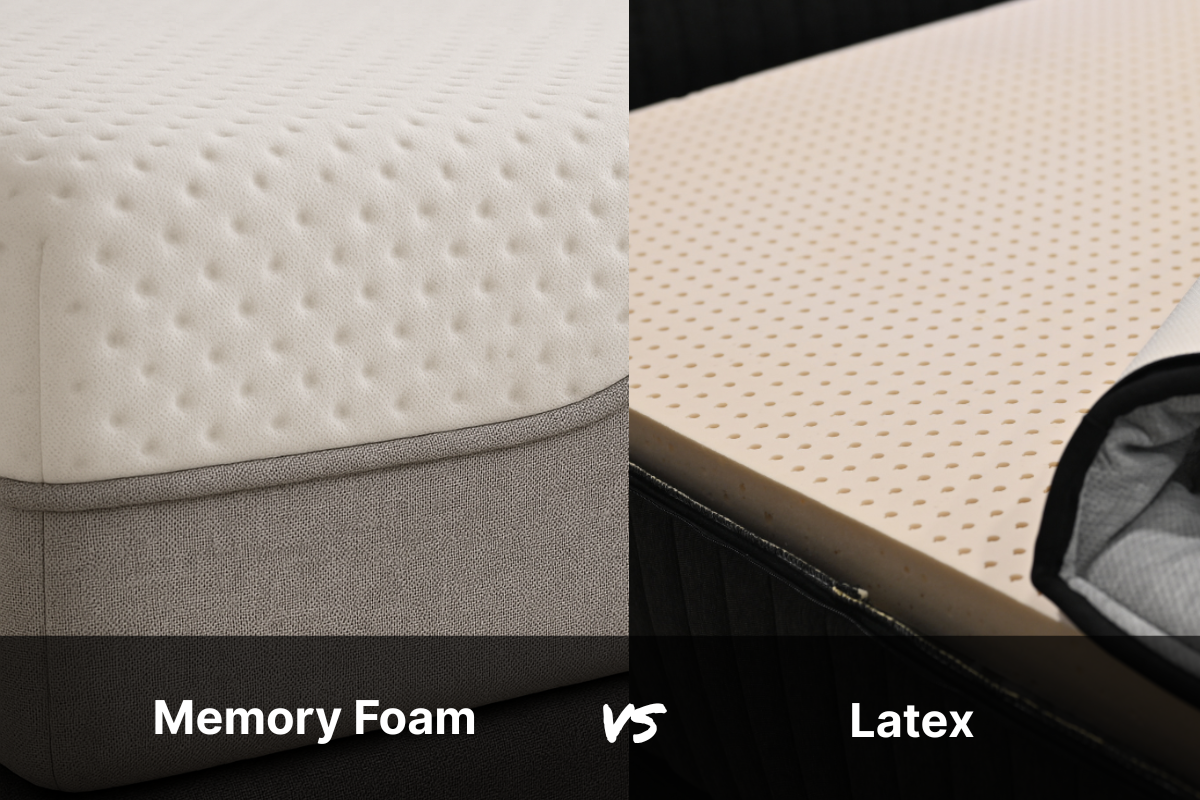
You can't make a bed cooler by adding more material on top. More stuff equals more warmth. A memory foam mattress topper traps heat because memory foam absorbs your body temperature to mould around your shape. That's how memory foam works – it softens as it warms.
Even a bamboo mattress topper or cotton topper – while more breathable than foam – still adds an extra layer between you and the airflow that springs provide. If you're already sleeping warm, adding more material will make it worse, not better.
Water-circulating mattress toppers exist and they do bring the temperature down – but they reduce the elasticity on top of the mattress, which reduces comfort. Not a trade-off I'd recommend.
If you're buying a mattress topper
Not everyone can replace their mattress straight away. If a topper is what you can do right now, here's my advice:
Go latex. A quality latex topper provides genuine pressure relief, lasts longer than other materials, stays cooler, and naturally resists mould. Latex doesn't trap heat or slowly compress through the night the way memory foam does.
However, check the quality. Many "latex" toppers sold in Australia aren't genuine latex – they're synthetic material blended with a small percentage of latex so the label can use the word. If the price is significantly lower than that of other latex toppers on the market, be cautious. Make sure you can return it if it isn't what you expected.
5cm minimum thickness. A thinner topper will still change the surface feel, but for most people, 5cm thickness is where you start getting meaningful cushioning and additional support. The right thickness can create a noticeable difference in how you sleep. A decent luxury mattress topper runs $300–$500 for a queen size. At that price, you're getting close to the cost difference of just replacing the mattress with something that's properly matched to your body.
The bottom line
A quality topper can add extra comfort and plush cushioning to the surface of your bed. It may help you get more restful sleep in the short term.
But it's a temporary solution. It won't fix springs that aren't right for you, a sagging support layer, or a bed that runs warm. If you're shopping for the best mattress topper to solve a sleep problem, it's worth asking whether that money would be better spent towards something that's actually built for your body – where the comfort layers can be adjusted and replaced, rather than a loose layer on top that wears out in a few years.
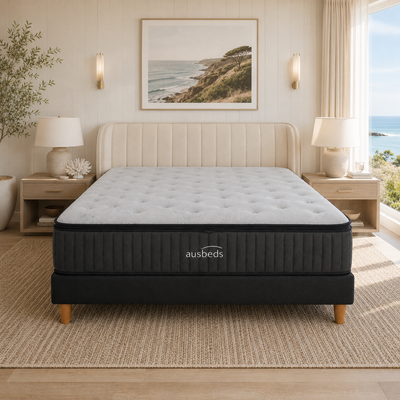
If you're in Sydney, come try our mattresses at Unit 3, 14 Tennyson Road, Gladesville. Open seven days. No pressure. I'll help you figure out whether a new bed would make the difference – or whether a topper is genuinely the right call.
People also ask
Do I need a mattress topper or a new mattress?
If your bed is sagging, the springs feel wrong for your weight, or you're waking up sore, a topper won't fix the underlying problem. It adds comfort on top, but can't change the support underneath. If your bed is fundamentally fine but you just want a softer or more plush feel, a topper can help. Otherwise, you're better off looking at something that can be adjusted to suit your body.
Can a mattress topper make my bed cooler?
Not really. Adding any extra layer adds warmth. Memory foam is the worst for heat. Bamboo or cotton toppers are more breathable but still warmer than sleeping without a topper. For genuinely cooler sleep, you need a mattress with springs and latex – the spring chamber allows airflow that removes heat all night long.
What is the best mattress topper material?
Latex. It's breathable, hypoallergenic, cooler than synthetic alternatives, naturally resists dust mites and mould, and lasts 5–10 years. If you're buying a mattress topper, go for latex, at least 5cm thick.
How thick should a mattress topper be?
At least 7.5cm for most people. A thinner topper will change the surface feel, but 7.5cm is where you get enough extra cushioning and support to make a real difference, particularly for pressure relief at the hips and shoulders.
What's the difference between a mattress topper and a mattress protector?
A mattress topper is a thick comfort layer (5–10cm) that changes how your bed feels – adding plush softness, loft, and cushioning. A mattress protector is a thin layer that protects your mattress from spills, dust mites, allergens, and wear.
Are bamboo mattress toppers good?
A bamboo mattress topper is a reasonable option if you want something more breathable than a memory foam mattress topper. Bamboo is naturally hypoallergenic and has moisture-wicking properties, making a bamboo mattress topper a decent choice for people with allergies. However, a bamboo topper won't provide the same level of pressure relief as a latex or memory foam mattress topper, and it won't solve underlying issues with your mattress support. If you're choosing between a bamboo mattress topper and a luxury mattress topper made from latex, latex is the better material for most sleepers.
What mattress topper sizes are available in Australia?
Mattress toppers come in single, king single, double, queen, king, and super king. Queen is the most popular mattress topper size, followed by king. King single toppers are common for teen beds and guest rooms. If you're after a double topper or a king single topper in a premium material like latex, double-check the brand stocks your size – not all do. Super king toppers can be particularly hard to find. Make sure your topper matches your mattress dimensions exactly, or it'll shift around under your fitted sheet.
Can I wash a mattress topper?
Most latex and memory toppers can't be machine-washed – you'll need to spot clean them and air them out regularly. Bamboo and cotton covers are easier to wash on a gentle cycle. Always check the care instructions. Using a protector on top will keep it cleaner for longer and reduce how often you need to wash it.
Is a bamboo mattress topper hypoallergenic?
Yes. Bamboo is naturally hypoallergenic and antimicrobial. A bamboo mattress topper resists dust mites and mould without chemical treatments, which makes bamboo a solid choice for people with allergies or sensitivities. Bamboo also has natural moisture-wicking properties that help keep the sleep surface drier. That said, always check whether the topper is pure bamboo fibre or a bamboo blend – blends may not offer the same benefits.
About the author

Karl owns Ausbeds. Tired of mattresses that failed too soon, he set up a Sydney workshop to make them properly: honest materials, adjustable designs. He also gives straight mattress advice on Reddit, Whirlpool and OzBargain.